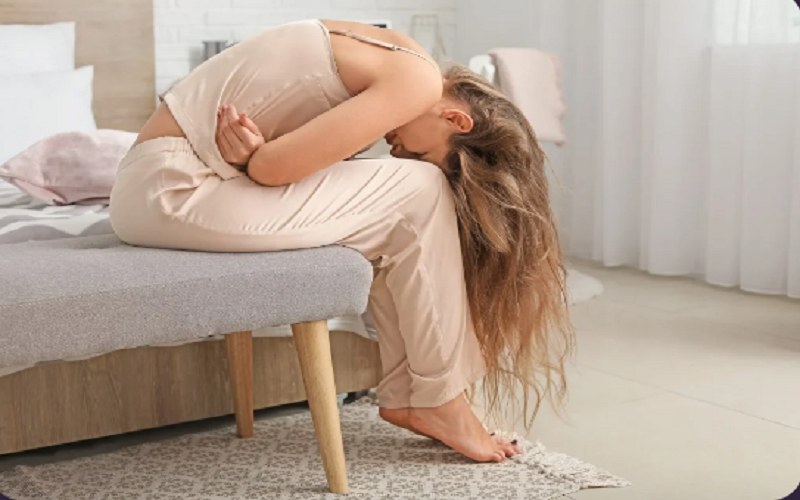
Endometriosis is a chronic condition that can affect a woman’s physical health, daily routine, emotional well-being, and quality of life. It occurs when tissue similar to the lining of the uterus grows outside the uterus, commonly around the ovaries, fallopian tubes, and other areas within the pelvis. Although endometriosis can affect women differently, symptoms such as pelvic pain and painful periods can sometimes have a significant impact on everyday activities.
Understanding the symptoms, diagnosis, and available treatment options is an important step toward managing the condition. Women experiencing persistent or severe symptoms should consult a qualified healthcare professional for an appropriate evaluation. For those researching endometriosis treatment in Dubai, professional medical guidance can help identify an individualized approach based on symptoms and personal health needs.
What Is Endometriosis?
Endometriosis is a condition in which tissue similar to the uterine lining develops outside the uterus. This tissue can respond to hormonal changes during the menstrual cycle, potentially leading to inflammation, irritation, and the formation of scar tissue or adhesions.
The condition commonly affects the pelvic region, although it can occur in other areas as well. The severity of symptoms does not always correspond to the extent of the condition. Some women may have significant symptoms with limited visible disease, while others may have extensive endometriosis with relatively mild symptoms.
Because of this variation, proper evaluation is important when symptoms continue or interfere with daily life.
Common Symptoms of Endometriosis
Endometriosis can cause a variety of symptoms, and each woman’s experience may be different. Some of the commonly reported symptoms include:
- Painful menstrual periods
- Chronic pelvic pain
- Pain during or after sexual intercourse
- Pain during bowel movements or urination, particularly around menstruation
- Heavy or irregular menstrual bleeding
- Bloating, fatigue, or digestive discomfort
- Difficulty becoming pregnant
Experiencing one or more of these symptoms does not necessarily mean a woman has endometriosis. Other medical conditions can cause similar symptoms, which is why professional assessment is important.
How Is Endometriosis Diagnosed?
Diagnosing endometriosis can sometimes be challenging because its symptoms may overlap with other gynecological conditions. A healthcare professional may begin by discussing the patient’s symptoms, menstrual history, medical background, and how pain affects daily activities.
A physical examination may be performed when appropriate. Depending on the situation, imaging tests such as ultrasound or MRI may also be considered to look for signs of endometriosis or related conditions.
In some cases, minimally invasive surgery called laparoscopy may be used to identify and assess endometriosis. The appropriate diagnostic approach depends on the individual’s symptoms and clinical circumstances.
Women looking for an endometriosis specialist Dubai should consider a gynecologist with relevant experience in evaluating and managing pelvic pain and endometriosis.
Treatment Options for Endometriosis
There is no single treatment that works for every woman. Treatment is usually selected according to symptoms, age, reproductive plans, severity of disease, previous treatments, and overall health.
Pain Management
For women with mild or moderate symptoms, pain-relieving medications may be recommended by a healthcare professional. These medications can help manage menstrual or pelvic pain but may not treat the underlying endometriosis itself.
Patients should use medications according to professional medical advice and discuss any ongoing or severe symptoms with their healthcare provider.
Hormonal Treatment
Hormonal therapies may be used to reduce or control hormonal stimulation associated with endometriosis. Depending on the patient’s circumstances, options may include hormonal contraceptives or other hormone-based medications.
Hormonal treatment can help reduce pain and manage symptoms for some women, although it may not be suitable for everyone. Women who are planning pregnancy should discuss their reproductive goals with their gynecologist before starting treatment.
Surgical Treatment
Surgery may be considered when symptoms are severe, do not respond adequately to other treatments, or when endometriosis is affecting fertility or causing other complications.
Laparoscopic surgery may be used to remove or destroy visible endometriosis lesions and address adhesions when appropriate. The recommended surgical approach depends on the location and extent of the disease.
A detailed consultation can help patients understand the potential benefits, risks, recovery period, and expected outcomes before choosing surgery.
Endometriosis and Fertility
Endometriosis can sometimes affect fertility, although many women with the condition are able to become pregnant. The impact on fertility may depend on factors such as the location and severity of endometriosis, ovarian function, age, and other reproductive factors.
Women who are experiencing difficulty conceiving or planning pregnancy should discuss their options with a qualified gynecologist. Fertility-focused treatment may be incorporated into the overall management plan when necessary.
Long-Term Management
Endometriosis is often a long-term condition, meaning ongoing management may be necessary. Symptoms can change over time, and treatment plans may need to be adjusted depending on the patient’s response.
Keeping track of menstrual symptoms, pain patterns, medications, and other changes can help healthcare professionals better understand the condition. Regular follow-up appointments can also help assess whether the current treatment remains appropriate.
Lifestyle measures such as regular physical activity, adequate sleep, stress management, and a balanced diet may support overall well-being. However, lifestyle changes should complement professional medical care rather than replace appropriate treatment.
Choosing the Right Gynecologist
Choosing a qualified healthcare professional is an important part of managing endometriosis. When searching for the Best gynecologist in Dubai, patients should consider the doctor’s qualifications, experience, approach to diagnosis, and expertise in managing conditions associated with pelvic pain and reproductive health.
A good consultation should provide an opportunity to explain symptoms openly, discuss concerns, understand available treatment options, and ask questions about potential risks and benefits. Patients should feel comfortable participating in decisions about their care.
Final Thoughts
Endometriosis can be challenging, but appropriate diagnosis and individualized treatment can help many women manage their symptoms and improve their quality of life. Treatment may involve pain management, hormonal therapy, surgery, fertility-focused care, or a combination of approaches.
For women considering endometriosis treatment in Dubai, consulting an experienced medical professional is an important first step. Working with an endometriosis specialist Dubai can help ensure that symptoms are properly evaluated and that treatment is tailored to individual needs.
Most importantly, persistent pelvic pain or unusually painful periods should not simply be ignored. Seeking timely medical advice can help identify the cause of symptoms and provide a clearer path toward effective long-term management.