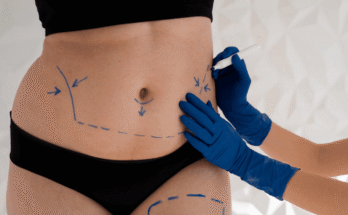
When people hear the words plastic surgeon, they usually think of cosmetic procedures—facelifts, rhinoplasty or breast surgery.
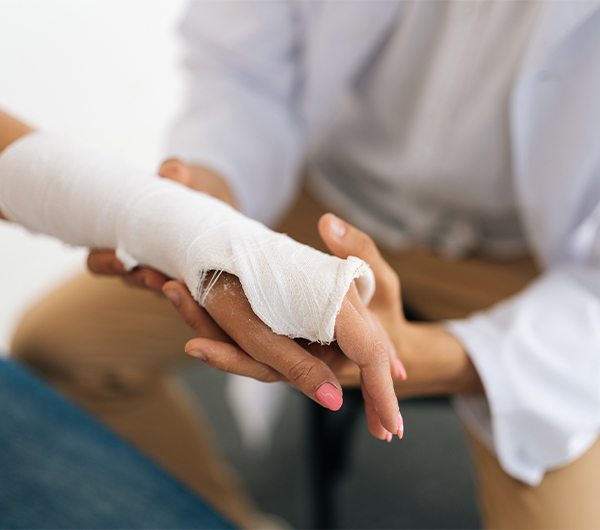
Very few people realise that hand surgery is one of the original and most respected branches of plastic surgery.
In fact, throughout my career, one of the commonest reactions from patients has been,
“I didn’t know plastic surgeons operated on hands!”
It is an understandable misconception. Hand surgery is often associated with orthopaedic surgeons, and rightly so. Many orthopaedic surgeons have advanced fellowship training in hand surgery and are exceptionally skilled. But what many patients don’t realise is that plastic surgeons with specialist training in hand surgery have an equally important role, particularly when delicate soft tissues, nerves, tendons, skin and reconstruction are involved.
If you are looking for hand surgery in Dubai, choosing the right specialist is often more important than choosing the specialty.
Hand Surgery Is Its Own Specialty
The hand is unlike any other part of the body.
Within a remarkably small space are 27 bones, numerous joints, dozens of tendons, intricate nerves, tiny blood vessels and highly specialised skin—all working together with extraordinary precision.
We rarely appreciate our hands until something goes wrong.
A small tendon injury can stop a finger from bending.
A tiny nerve injury can permanently alter sensation.
Even a seemingly minor scar can interfere with grip, writing or fine movements.
This complexity is exactly why hand surgery became a subspecialty in its own right.
Today, the doctors best qualified to treat hand problems are usually either:
- an orthopaedic surgeon with dedicated hand surgery training,
- a plastic surgeon with hand surgery expertise,
- or, for particularly complex problems, both working together.
The important question is not “Is my surgeon an orthopaedic surgeon or a plastic surgeon in dubai?”
The real question is:
“Does my surgeon have specialised training and experience in hand surgery?”
Why Plastic Surgeons Bring Something Different
Plastic surgery has always been about restoring both form and function.
That philosophy fits naturally with the hand.
Every day, plastic surgeons work with structures measured in millimetres:
- nerves thinner than a strand of spaghetti,
- delicate blood vessels,
- intricate tendon repairs,
- skin reconstruction,
- microsurgery,
- scar revision.
In hand surgery, success isn’t simply whether a wound heals.
Success means asking:
“Can the patient button a shirt again?”
“Will they be able to hold their grandchild?”
“Can they return to work?”
“Will the hand look normal enough that they don’t feel embarrassed shaking someone’s hand?”
Those are the questions that guide every operation.
My Practice Is Focused on the Hand—Not the Wrist
One point I always explain during consultations is that my hand surgery practice is focused on conditions distal to the wrist joint.
That means I treat problems involving the fingers, thumb, palm, tendons, nerves, skin, nails and soft tissues of the hand.
I do not routinely manage orthopaedic conditions involving the wrist joint itself or more proximal injuries affecting the forearm or elbow.
This distinction is important because patients deserve to see the doctor whose expertise best matches their problem.
When a wrist condition is better treated by an orthopaedic hand surgeon, I believe patients should be directed accordingly. Good medicine is about putting the patient’s interests first.
Conditions I Commonly Treat
During more than two decades in practice, I have seen hundreds of patients with hand problems. Some arrive after workplace accidents. Others come with injuries sustained while cooking, gardening or playing sport. Parents often bring children born with congenital hand differences, while older patients frequently seek help for conditions that have gradually worsened over many years.
Some of the more common conditions include:
- congenital hand differences such as syndactyly and polydactyly
- tendon injuries
- nerve injuries
- fingertip injuries
- nail-bed injuries
- hand burns
- scar contractures
- Dupuytren’s contracture
- carpal tunnel syndrome
- chronic nail disorders
Although these conditions vary considerably, the objective remains the same—to restore function while preserving the natural appearance of the hand whenever possible.
Why Experience Matters
I have been involved in reconstructive plastic surgery and hand surgery throughout my career, and one lesson has remained constant.
In hand surgery, millimetres matter.
A tendon repair that is slightly too tight may never glide properly.
A nerve repair performed under tension may not recover as expected.
A scar placed in the wrong position may interfere with movement for years.
These are details that are rarely visible to patients but often determine whether someone regains a truly functional hand.
Experience teaches not only how to perform an operation, but equally important, when surgery is necessary—and when it is not.
Why Patients Choose Dr. Mohan Rangaswamy
At drmohanplasticsurgeon, every patient receives an individual assessment rather than a standard treatment pathway.
My approach has always been straightforward: understand the problem, explain all available options honestly, and recommend the treatment that offers the greatest long-term benefit—not simply the most complex operation.
Over the years, I have helped hundreds of patients with tendon injuries, nerve injuries, burns, congenital hand conditions and reconstructive problems affecting the hand. Whether treatment involves delicate microsurgery or a relatively straightforward procedure, my goal remains the same—to restore function while achieving the best possible appearance.
When a condition lies outside my area of expertise, particularly complex wrist or forearm pathology, I believe the patient is best served by referral to, or collaboration with, an orthopaedic hand surgeon. The best outcomes often come from choosing the right specialist, not trying to be one.